

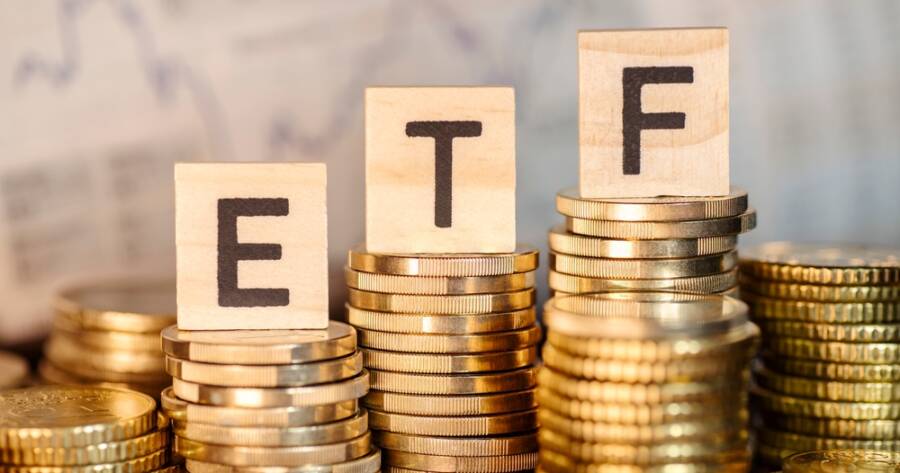
Exchange-Traded Funds (ETFs) offer a versatile investment option that combines the appeal of stocks with the benefits of diversification. By understanding the role of ETFs and online trading platforms, investors gain access to diverse markets, cost-effective strategies, and flexible trading. Grasping key elements is essential for informed portfolio management and achieving specific financial goals.
Understanding ETFs and Stock Trading Platforms Before Investing
Navigating the world of online trading can be daunting, especially when it comes to understanding Exchange-Traded Funds (ETFs) and stock trading platforms. ETFs are versatile investment vehicles that allow investors to pool together a group of securities, trading them on exchanges much like individual stocks. They provide exposure to broad market indexes, specific sectors, or asset classes such as commodities or currencies.
A significant advantage of ETFs is their lower expense ratios compared to mutual funds, making them a cost-effective option for diversified investment strategies. Nevertheless, it’s crucial to grasp the risks associated with the securities in the indices they track, as these risks play a pivotal role in ETF trading.
Diversification and Flexibility of ETFs
ETFs and individual stocks share several common traits, including transparency, trading flexibility, and transaction fees. Whereas individual stocks require personal research and management, ETFs offer diversification by grouping multiple securities into a single investment, thereby reducing exposure to single-stock risk.
By doing so, they provide investment diversification with professional management, entailing an expense ratio to cover management and operational costs. ETFs enable investors to gain exposure to various markets, track broad indexes, or invest in specific sectors internationally while managing risk through a diversified approach – a suitable option for conservative trading strategies.
The Role of Online Trading Platforms
Online trading platforms are critical in providing access to ETFs for investors. These platforms, which offer trading around the clock, provide liquidity and real-time pricing, enabling investors to execute trades swiftly. As a consequence, online brokers and retirement accounts are popular choices for accessing ETFs, with most platforms offering commission-free trading.
This feature allows investors to efficiently and cost-effectively diversify their portfolios. The successful use of screening tools to select ETFs based on trading volume, expense ratios, past performance, and holding composition can also help investors make informed investment decisions by tailoring their strategies to meet specific financial goals.
Assessing Risks and Costs in ETF Trading
Investing in ETFs involves understanding the costs and risks associated with these financial products. Investors should be aware that ETF performance may not exactly track the index they intend to reflect, primarily because the fund’s holdings might not duplicate the index’s composition.
Furthermore, costs such as fund expense ratios, trading-related fees, and potential commissions must be considered. Additionally, sophisticated investment approaches like leverage may offer unique exposure to foreign indexes and commodities, entailing specific risks documented in the ETF prospectus. Understanding these aspects is essential for anyone wishing to engage in ETF trading.
ETFs Versus Individual Stocks
When considering ETFs versus individual stocks, several differences must be highlighted. Both ETFs and stocks allow investors to gain market exposure. However, while individual stocks enable targeted investments that potentially increase portfolio risk, ETFs allow investors to choose a broader diversified approach more suited for conservative strategies.
Dividends may be available in both, with specifics varying based on the securities within the ETF or the policy of an individual company. Ultimately, learning about these financial tools empowers investors to make informed decisions in constructing portfolios that align with their financial goals.
Learn More About ETFs and Stock Trading Platforms
Thoroughly understanding ETFs and stock trading platforms is vital for anyone interested in the investment world. These diverse and flexible investment vehicles offer numerous advantages, such as lower costs, tax efficiency, and the ability to track a wide array of markets.
Grasping the risks involved and mastering the nuances of online trading platforms can lead to more informed decision-making and better portfolio management. By delving deeper into the specifics of ETFs, investors can unlock opportunities for diversification and growth, making ETFs a key component in any well-rounded investment strategy. With a sound knowledge base, individuals can confidently navigate the complexities of the financial market, positioning themselves for long-term success.
Sources
Investment Strategies and Risks
ETFs and Stocks: Similarities and Differences