

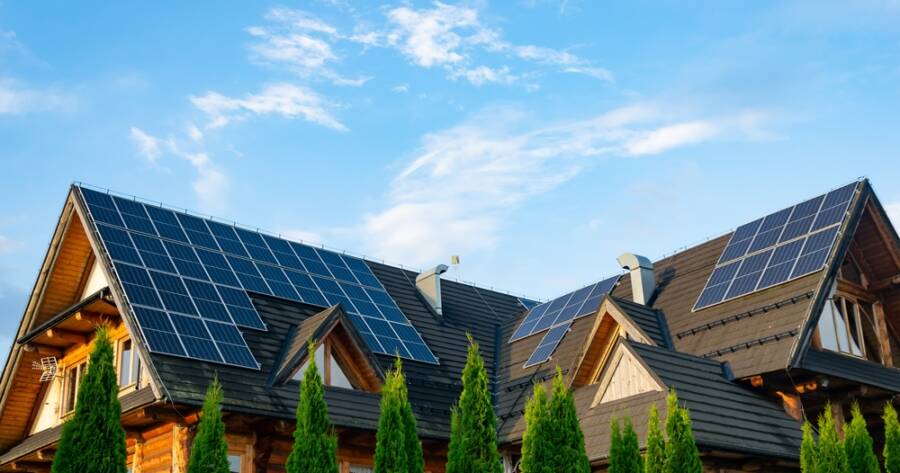
Solar panel installation offers a sustainable solution to escalating energy costs, providing homeowners with the opportunity for significant long-term savings. Initial investments are often offset by federal and state incentives, while factors like panel choice and roof characteristics influence overall costs. Various financing options and regional variations further shape the financial benefits and environmental impact of adopting solar energy systems.
Understanding Solar Panel Installation and Cost Comparison
Solar panels represent a sustainable solution to rising energy costs, offering homeowners a chance to harness renewable energy. The initial investment, while substantial, can lead to significant long-term savings. As of 2025, the average cost of installing a home solar system is approximately $29,360 before federal tax credits and incentives are applied, potentially reducing the price to $20,552 after such deductions are considered. These costs can be further lowered through state and local incentives.
Key Factors Influencing Solar Installation Costs
The total cost of installing solar panels varies due to multiple factors. The choice of solar panel brand, size of the system, additional equipment like solar batteries, and the installation service provider greatly impact costs in specific installations. Notably, the average price per watt for solar panels is around $2.53 before factoring in incentives.
Factors such as roof characteristics and shading play a crucial role in determining installation costs. High-efficiency solar panels, along with optimal roof orientation and minimal shading, enhance energy production and optimize costs effectively.
Financing Options for Solar Panels
Homeowners can choose among several financing options for solar panel installations, each offering unique benefits and cost implications. These include purchasing with cash, taking out solar loans, or opting for leases or power purchase agreements (PPAs). Each of these options impacts ownership benefits and long-term savings differently.
Solar loans may increase the overall cost due to dealer fees and interest rates, unlike direct cash purchases, which avoid these added costs. Additionally, the federal solar tax credit can significantly reduce solar system costs by 30%.
Regional Variations and Incentives
The cost of solar panels can fluctuate based on regional differences in labor rates, building codes, and local incentives. States such as California and New York typically experience higher costs due to these factors, while states like Texas and Florida offer more affordable installation options. Regional incentives, including rebates up to $5,000, can further decrease installation expenses and vary significantly by state.
Long-term Savings and Environmental Impact
One of the most compelling reasons for investing in solar panels is the potential for long-term savings in electricity bills. Homeowners can potentially save between $37,000 to $148,000 over 25 years. Solar panels provide a hedge against rising electricity costs, making them financially sustainable in the long run.
The environmental impact of solar panels also plays a pivotal role in their appeal. By reducing reliance on non-renewable energy sources, solar panels contribute to decreased greenhouse gas emissions. This aligns with broader environmental goals aimed at combating climate change and minimizing carbon footprints.
Understanding the Payback Period
The payback period for solar panels varies, generally ranging from 6 to 10 years depending on factors like location, system cost, and applicable incentives. After this period, the electricity generated by solar panels is essentially free, enhancing the total savings over the life of the system. In areas with high electricity costs, the payback period tends to be shorter, making solar installations more attractive for homeowners.
Why You Should Learn More About Solar Panels Today
Exploring the opportunity to install solar panels is becoming increasingly appealing due to regulatory incentives and awareness of environmental impacts. The potential for substantial long-term savings and environmental benefits makes it crucial to consider various aspects such as location, roof characteristics, and available incentives.
Investing in solar energy not only reduces electricity expenses but also contributes to a more sustainable future. Now is the time to explore how solar panels can be tailored to meet specific energy and financial goals, as the landscape of renewable energy continues to evolve.